Guilloché
Cut on a rose engine, a hand-cranked lathe two centuries old. The operator turns the crank; the pattern is only as even as the hand that turned it. One dial takes hours and cannot be rushed.


Montredo / Independent watchmaking
Plenty of the great names now belong to groups like LVMH and Richemont. The brands on this page are still their own, and they are just as easy to buy from us as anything else in the shop: the same checks, the same warranty, the same insured delivery.
01 / Definition
It is not about size, and it is not about being new. Junghans has been making watches since 1861 and Eberhard & Co. since 1887. Independent means one thing only: no holding company sits above the brand deciding what it may build.
That distinction sounds like paperwork. It is not. In a group, the decisions that shape a watch mostly happen above the brand: which movement it may use, what it must cost, how many must be sold this year to hit the group's number. The people designing the watch work inside a set of answers somebody else chose.
In an independent, those decisions happen in the same building as the watchmaker's bench. Sometimes at the same desk. Which is why independents produce the odd stuff: a dial in a colour no marketing department would sign off, a case shape that will never be a bestseller, a movement finished far beyond what the price justifies.
02 / Scale
The clearest way to feel the difference is annual production. A single large group brand can make more watches in a morning than a small independent makes in a year. Neither number is a criticism. They are simply different crafts wearing the same word.
Put it the other way round. A brand making five hundred watches a year, selling across forty countries, might send a dozen to Germany. Whatever you buy from that shelf, the odds of meeting its twin on another wrist are close to nil. Not because anyone engineered scarcity, but because that is simply how many they made.
03 / Craft
Limited production is usually sold as a virtue in itself, which is nonsense. A short run means nothing on its own. What it actually buys is time, and time is the only thing that lets a person touch the watch.
Run the arithmetic. At a million watches a year, every operation has to be repeatable by a machine in seconds, because a step that takes a human three minutes would need a factory of thousands. At five hundred a year, one person can spend a morning on a single dial and the business still works. That is the whole difference, and everything below follows from it.
None of these techniques are secret. They are simply too slow to survive contact with volume.
Cut on a rose engine, a hand-cranked lathe two centuries old. The operator turns the crank; the pattern is only as even as the hand that turned it. One dial takes hours and cannot be rushed.
Stripes drawn across a bridge with a rotating abrasive, guided by hand. The eye reads it as movement because the light catches each band at a different angle.
Overlapping circles of graining, applied one dot at a time across a plate that most owners will never look at. It exists because a watchmaker decided the hidden side deserved finishing too.
Screws and hands heated until the surface oxidises to blue at roughly 290 degrees. It is a temperature, not a paint. A few seconds too long and the part goes grey and starts again.
Edges filed to a 45 degree bevel, then polished with wood and diamond paste until they mirror. The inward corner is the tell: no machine can cut one, so a sharp inner angle means a human sat there.
Not every independent uses every technique, and a machine-finished watch is not a worse watch. The point is that at these numbers, the choice is still open. There is also a version of this that matters more than any single technique: somebody's hands were on your watch. On a production line, that sentence is not true.
04 / The case
01
Scarcity here is not manufactured. It is arithmetic. When a workshop makes a few hundred pieces a year, the watch is rare because it could not have been anything else. And on the rare occasion you do meet another owner, you will probably end up talking to them for an hour.
02
Independents carry no global advertising campaign, no boutique on every luxury street, no ambassador. What that budget buys instead tends to be visible: better finishing, better movements, better materials at the same price.
03
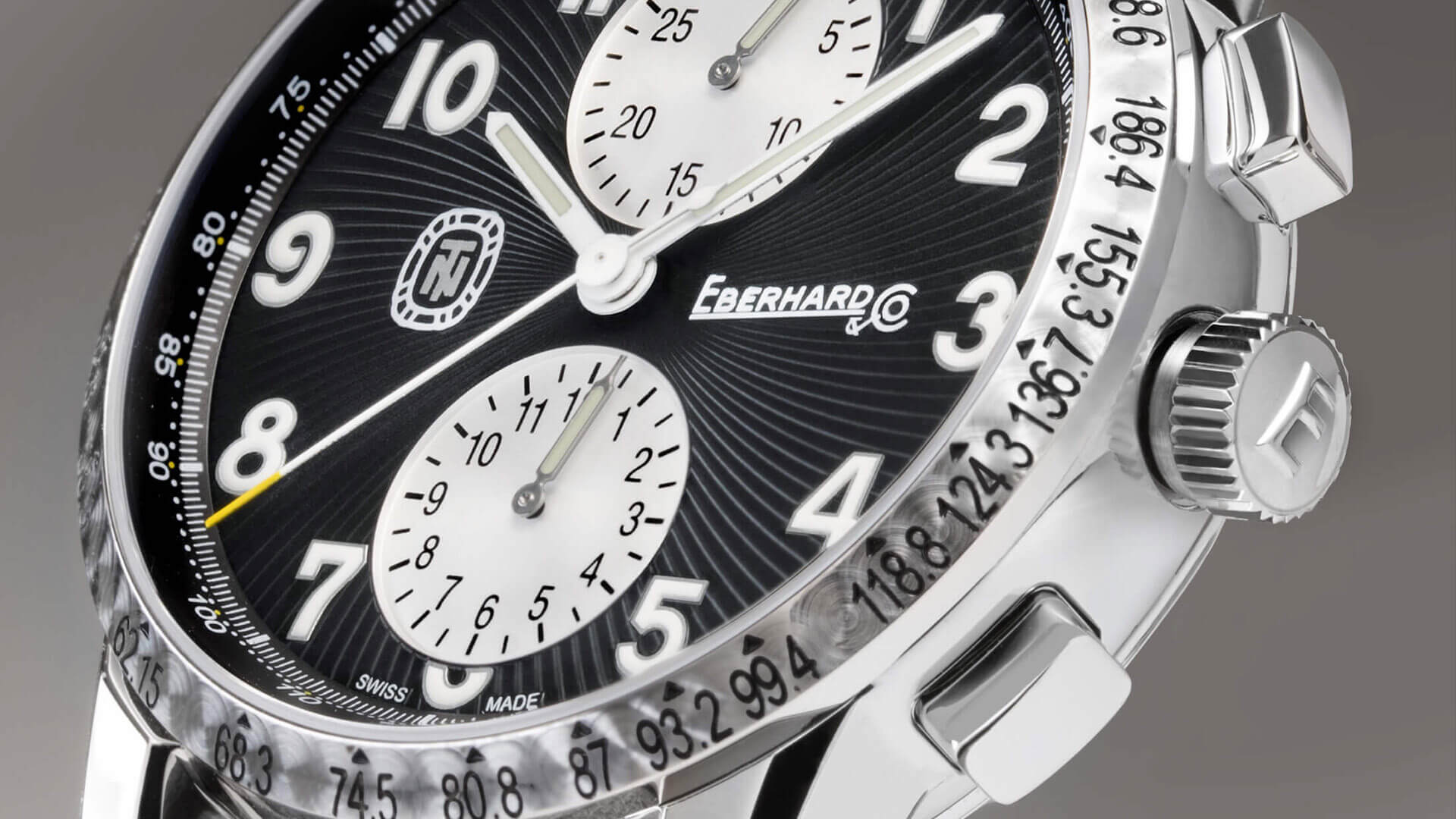
Beaubleu's circular hands, Eberhard's asymmetric chronograph pushers, Squale's refusal to modernise a case that worked in 1959. These are decisions, not compromises.
04
Ask an independent a question about a movement and the answer often comes from a person who has held the part. We know, because that is how we get our own answers.
05
Independent ownership has a quiet side effect: you end up in conversations. Forum threads with a few hundred members, a founder who answers his own email, someone across a table who recognises the watch. Group brands sell you an object. Independents tend to come with people attached.
05 / Direct
With these brands there is no middleman. We buy from the workshop, which means current collections, the full manufacturer's warranty, and a phone number that reaches someone who builds the watches. Between them, these seven make fewer watches in a year than a single large group brand makes in a morning.
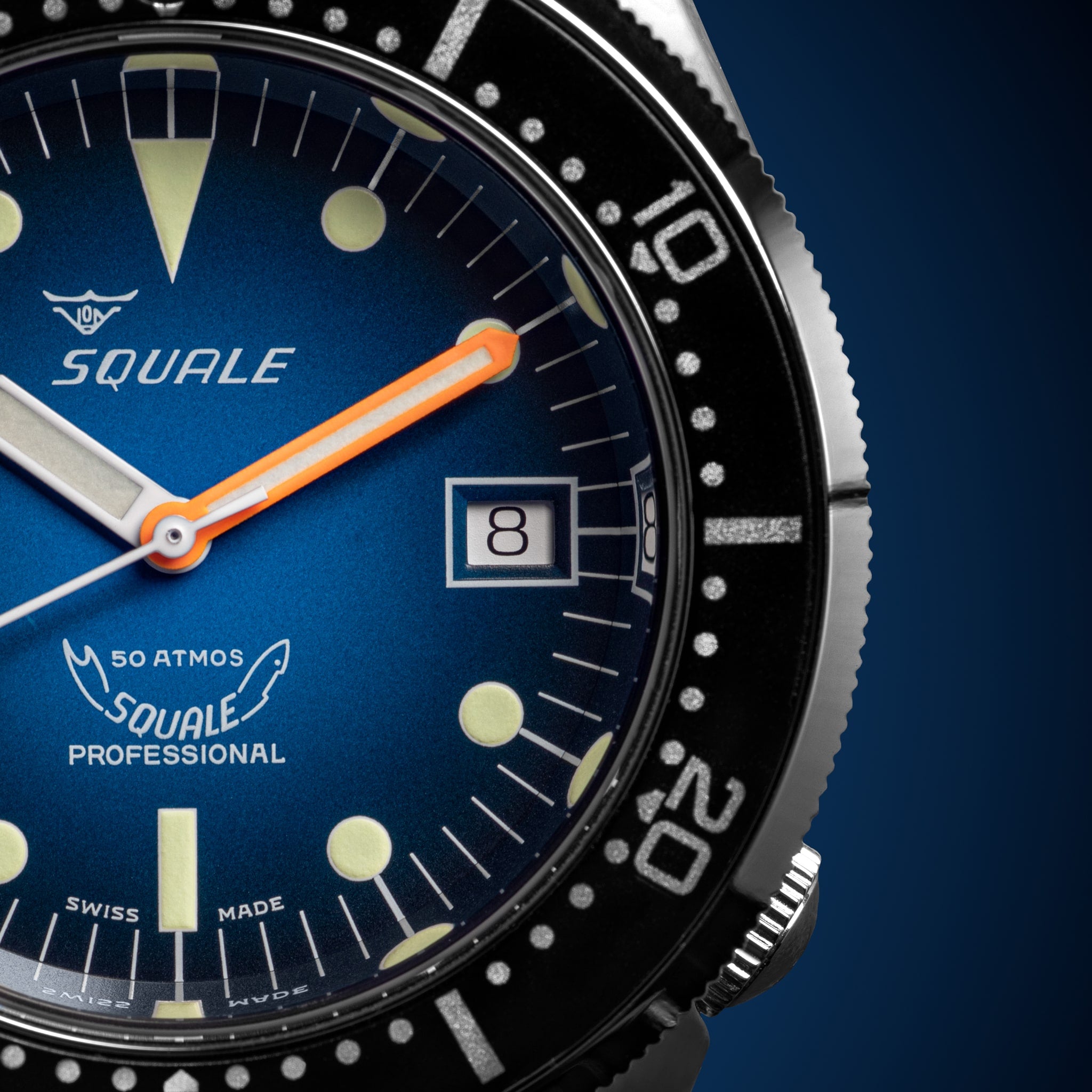
The case that most modern dive watches are quietly imitating was Squale's, and it has barely changed since divers first strapped one on in the late fifties. An Italian family firm making Swiss watches, still refusing to redesign what already works.
See all Squale watches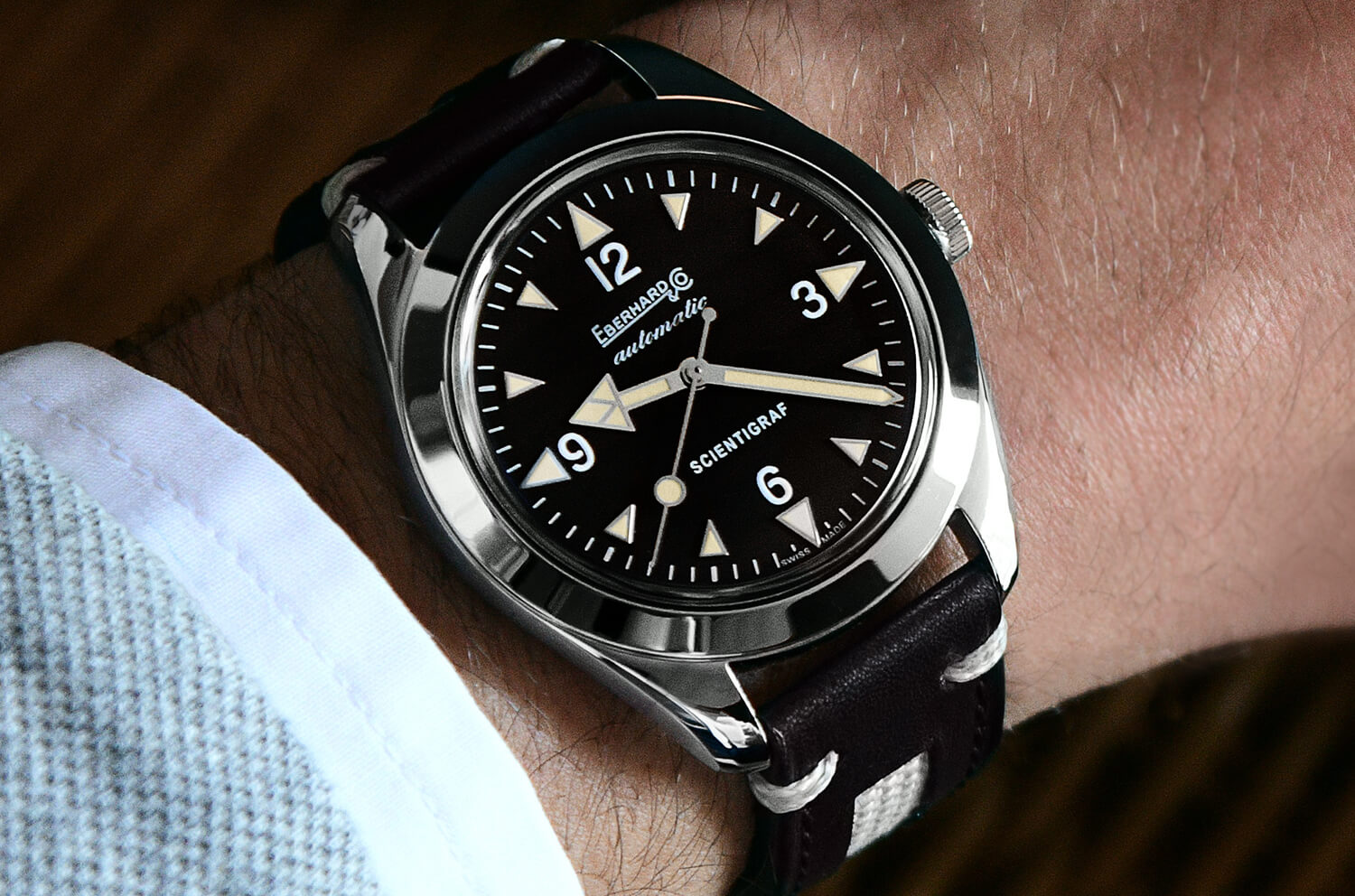
La Chaux-de-Fonds since 1887, and still not owned by anyone. Eberhard made chronographs for the Italian navy and a watch for Tazio Nuvolari, and it kept the mechanical chronograph alive through the years the industry decided nobody wanted one.
See all Eberhard & Co. watches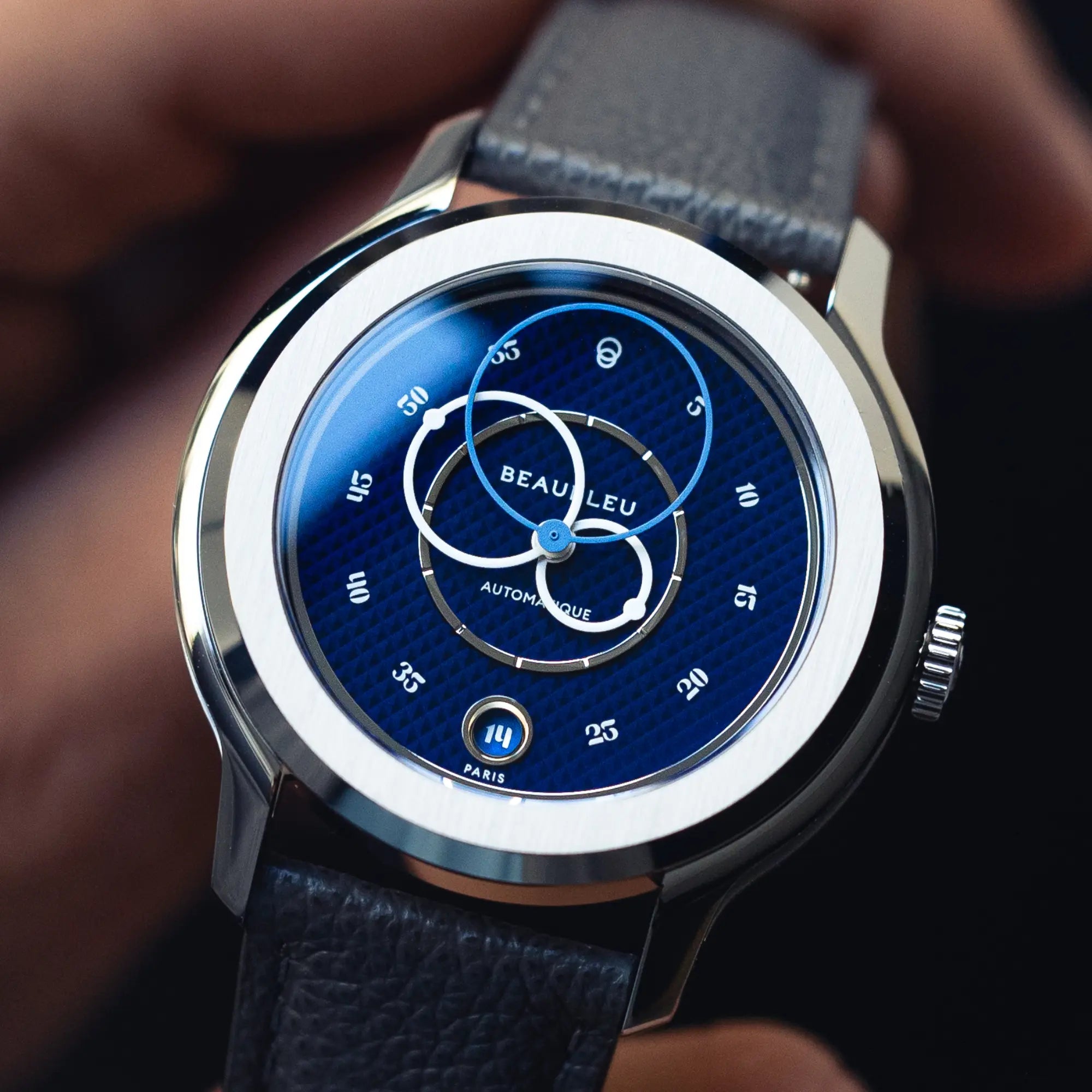
A young Paris workshop that asked a question nobody had bothered with in a century: why are hands straight? Beaubleu's are circles. It sounds like a gimmick until you see one on the wrist, where it reads as a piece of jewellery that happens to tell the time.
See all Beaubleu watches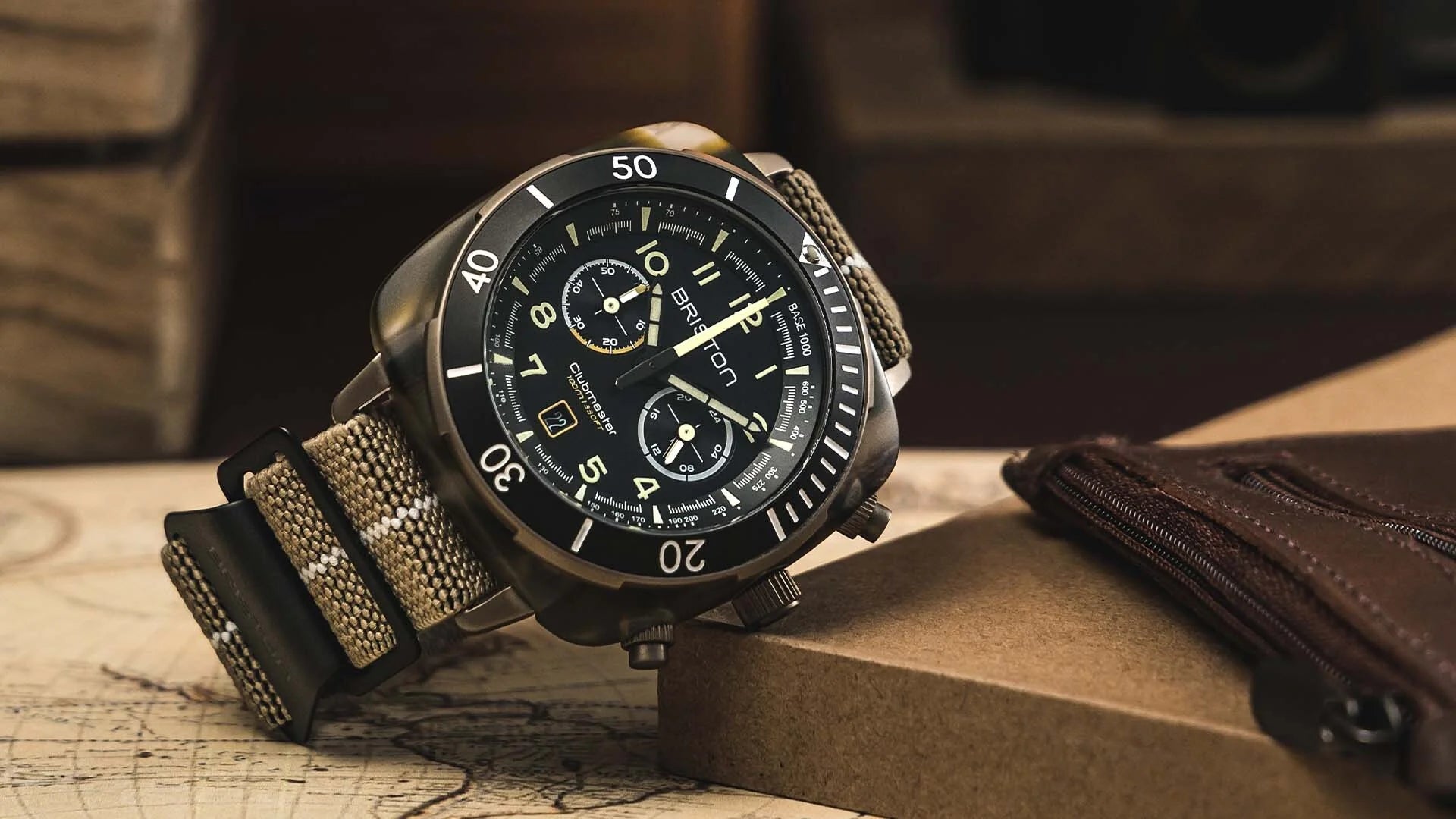
French, cheerful, and built around a material nobody else took seriously for watch cases: acetate, the stuff good spectacle frames are made from. The Clubmaster is what happens when a watch is designed by people who are not afraid of colour.
See all Briston watches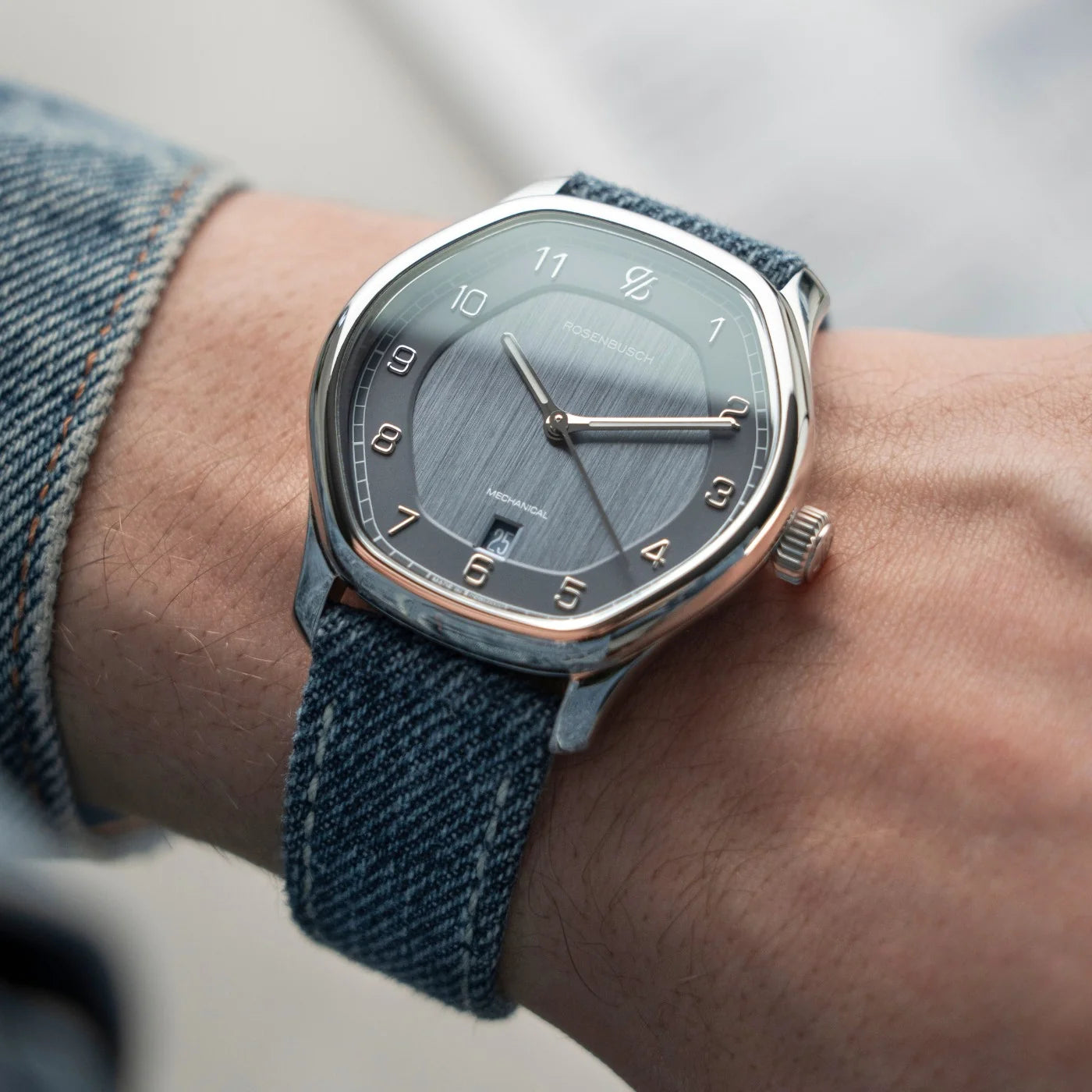
German, small, and serious about the things that are expensive to get right and easy to skip: case finishing, dial depth, a movement chosen because it is good rather than because it is cheap. The kind of brand that exists because one person insisted.
See all Rosenbusch watches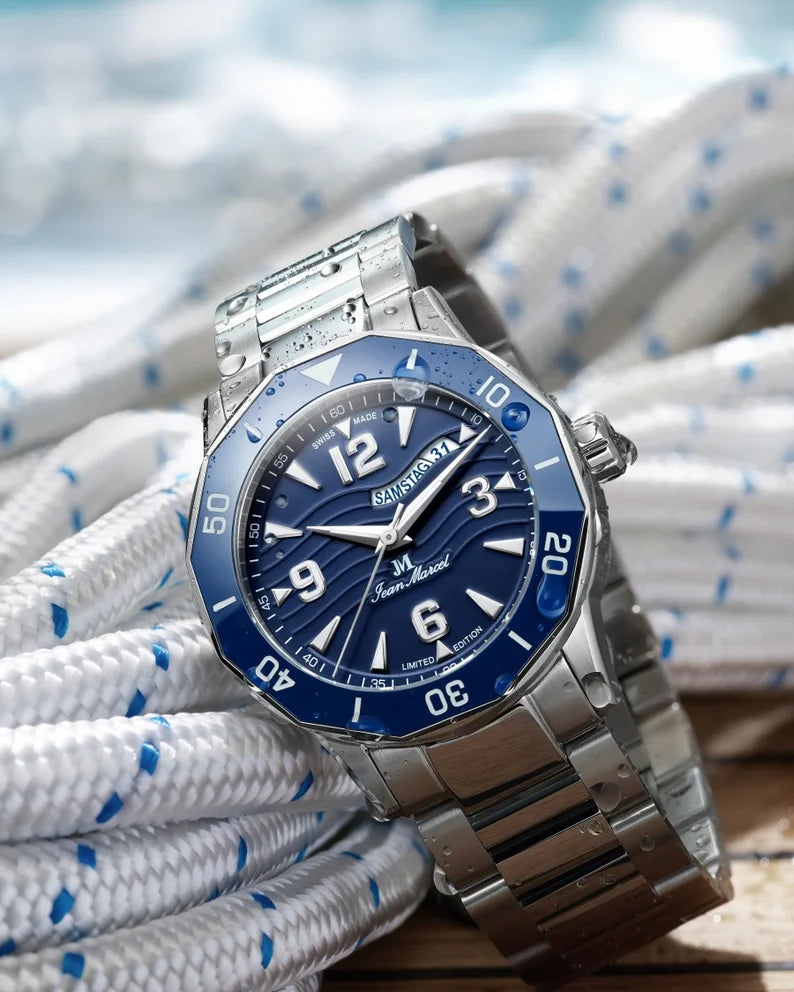
Quietly Swiss, quietly mechanical, and priced as though nobody told them what a skeleton movement usually costs. Jean Marcel is the brand people find by accident and then recommend to everyone they know.
See all Jean Marcel watches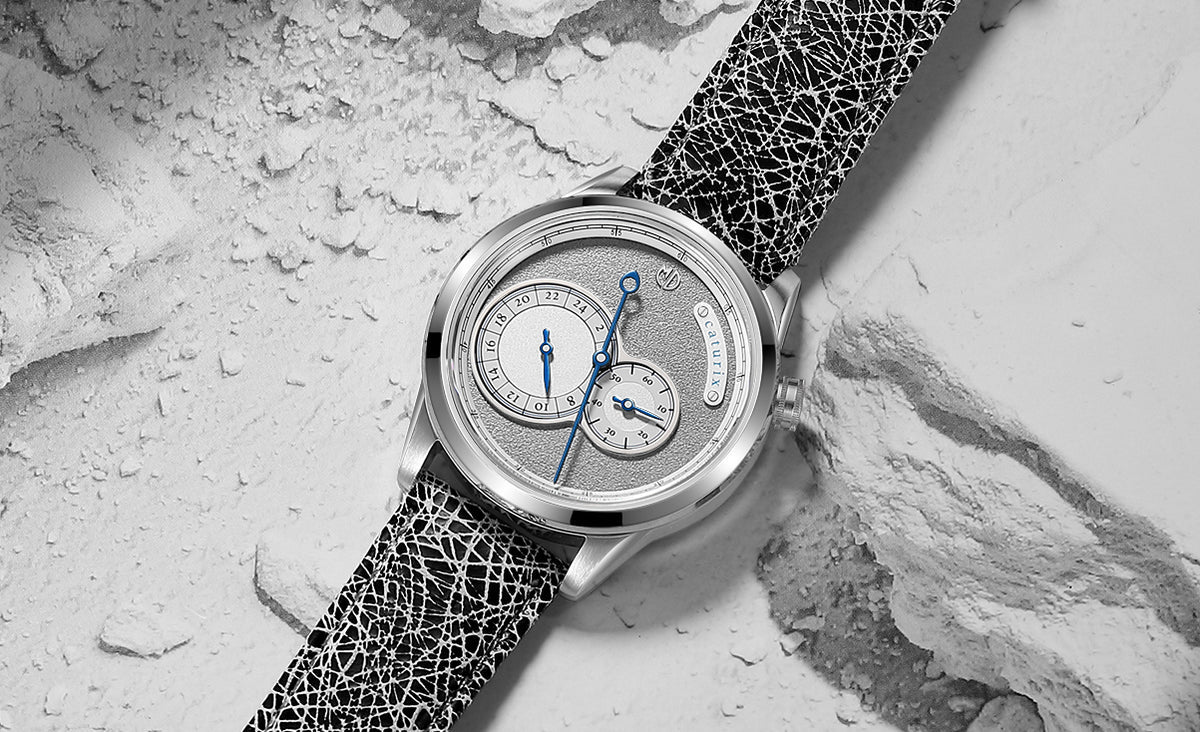
A micro-brand in the truest sense: short runs, direct sales, and a founder who answers his own messages. Exactly the sort of maker who would never reach a shop window without someone deciding to carry him.
See all MD WatchesOne to know
Kari Voutilainen is on the very short list of living watchmakers the whole collecting world agrees on, spoken about in the same breath as F.P. Journe and De Bethune. His finishing is the benchmark others are measured against, and his own watches run to six figures with a waiting list to match. This collaboration with the Finnish house Leijona is the rarest thing on our shelves and the closest most people will get to owning his work.
See the Voutilainen x Leijona watches06 / The full list
Thirty-nine names, from a Glashütte institution to a workshop that ships a few hundred watches a year. Several of them number every piece, so you do not own the model, you own a specific one.
07 / Choosing
Start with the thing that made you look. Independents are bought with the eyes, not the spreadsheet. If a dial keeps pulling you back after a week, that is the correct reason.
Check what is inside, then stop worrying about it. Most independents use excellent third-party movements from Sellita, Soprod or La Joux-Perret. That is not a shortcut, it is how the industry has always worked. Serviceable anywhere is a feature.
Do not buy it as an investment. Some independents appreciate sharply. Most do not, and the ones that do were bought by people who wanted to wear them. Buy the watch you want on your wrist and treat any future value as luck.
Ask us the awkward question. Whether a brand will still exist in ten years, whether a part is available, whether the cheaper reference is the better watch. We would rather answer honestly and sell you nothing today.
Both are on our shelves. But we go out of our way for the second kind, because somebody has to, because these are the watches our own team keeps buying, and because the one you choose will be one of a few hundred, not one of a million.
Browse independent brands